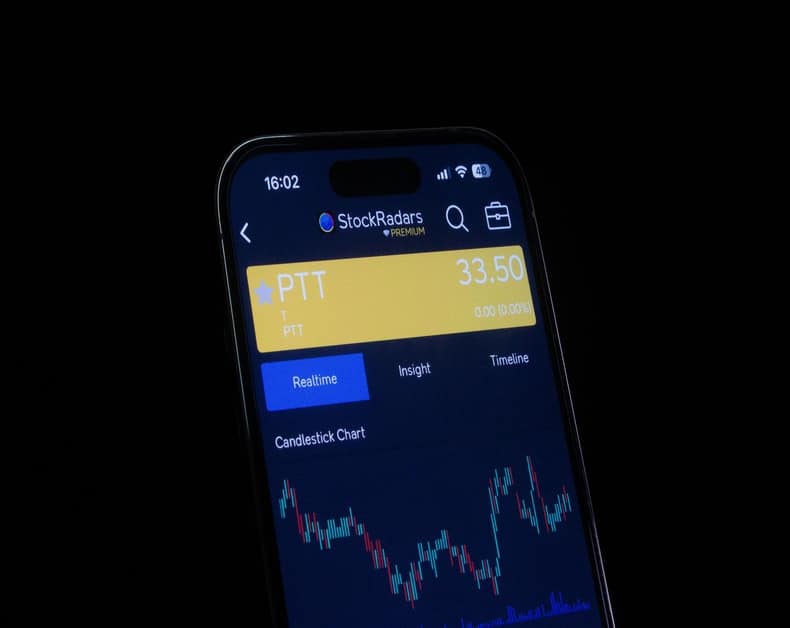
Tech Stocks are attracting significant attention in today’s market. Tech stocks have captured the attention of many as the AI boom continues to drive significant movements in the market, despite ongoing geopolitical tensions in the Middle East. The surge in semiconductor-related exchange-traded funds highlights the resilience of tech sectors amidst fluctuating oil prices and supply chain concerns. With the ongoing demand for advanced technologies, the tech sector continues to demonstrate its capacity to adapt and thrive in uncertain times. As readers explore these developments, the focus remains on how these dynamics unfold in the broader economic context. Meanwhile, small cap stocks remains a key focus for market participants.
Surge in tech stocks Amid Market Uncertainty
In a landscape where market highs are being propelled by the AI trade, there’s a notable shift despite the ongoing tensions in the Middle East. A quick reminder: Yahoo Finance, linked to Coinbase, is not a broker-dealer or investment adviser. It merely provides information without facilitating trading.
The tech sector, in particular, has seen a remarkable uptick. The iShares Semiconductor ETF (SOXX) has impressively risen over 30% since 30 March. The “Magnificent Seven” companies, including well-known names like Nvidia, Amazon, Alphabet, Meta, and Tesla, have all experienced double-digit percentage gains. It’s worth noting that even the iShares Expanded Tech-Software Sector ETF (IGV) has shown positive movement link text.
Market News: Energy Prices and Supply Chains
The volatility of oil prices since the conflict began hasn’t deterred the tech sector, which benefits from high profit margins. This cushion allows tech stocks to absorb rising costs tied to energy and production materials. Chetan Ahya, Morgan Stanley’s chief Asia economist, recently mentioned that companies in need of helium and sulfur can manage to pay higher prices link text.
Stock Watchlist: Taiwan Semiconductor’s Strategy
Taiwan Semiconductor has indicated that its operations remain unaffected in the short term, thanks to a robust materials supply chain. CFO Wendell Huang explained that they source specialty chemicals and gases from various suppliers, maintaining an inventory for safety. Energy stability is ensured through collaborations with Taipower and government entities.
Energy Security and Hyperscaler Initiatives
Wall Street has also observed efforts by hyperscalers to secure energy supplies through long-term agreements, securing electricity prices for 10 to 20 years. This strategy mitigates the impact of rising costs. Researchers at Morgan Stanley noted the potential for accelerated development of affordable energy technologies, including carbon capture and nuclear power.
Earnings Report: Impact on Tech Stocks
The stock market marked its third consecutive all-time high last Friday, following Iran’s assurance that the Strait of Hormuz would stay open amidst the Israel-Lebanon ceasefire. This announcement led to a significant drop in oil prices, with Brent and West Texas Intermediate futures diving below $90 per barrel.
For those keen on keeping up with the latest in market news and events influencing stock prices, click here for in-depth analysis. Also, read the latest financial and business news from Yahoo Finance. The small cap stocks market is responding.
In conclusion, the recent surge in semiconductor ETFs highlights the shifting dynamics within the stock market. As we’ve explored, small cap stocks, which often reflect the agility of smaller companies, have been influenced by a myriad of global events and key market influencers. The current geopolitical tensions in the Middle East bring energy security into focus, impacting market news and creating ripples across various sectors.
For those keeping a close eye on their stock watchlist, understanding the implications through earnings reports and economic indicators can offer a clearer picture of where the market stands today. While small cap stocks react differently compared to their larger counterparts, recognising these nuances is essential for those navigating the evolving landscape. Stay informed and engaged with the latest updates to make sense of the ongoing changes in the world of finance.
Stay Ahead — Get free small-cap alerts delivered to your inbox
Join readers who receive daily alerts from our newsletter.
What has driven the recent surge in the iShares Semiconductor ETF (SOXX)?
The iShares Semiconductor ETF (SOXX) has surged over 30% since 30 March, largely driven by the AI trade propelling market highs despite uncertainty in the Middle East. The gains are also supported by strong performances from major tech companies like Nvidia, Amazon, and Alphabet, all part of the “Magnificent Seven”. For more details, visit Yahoo Finance.
How has the Middle East conflict affected energy prices and tech stocks?
Despite the ongoing conflict and volatile oil prices, the tech sector has proven resilient due to its high profit margins, which help absorb rising energy costs. This resilience has contributed to the overall surge in tech stocks, as discussed in the Morgan Stanley podcast.
What strategies are semiconductor companies using to mitigate supply chain impacts?
Companies like Taiwan Semiconductor are using robust supply chains and diverse sourcing for specialty chemicals and gases to mitigate potential supply chain impacts. Their CFO, Wendell Huang, explained their strategy during a recent earnings report, highlighting their preparation with safety stock inventories and stable energy supply from multiple sources. More on this can be read here.
Why are ‘Magnificent Seven’ companies seeing double-digit gains?
The “Magnificent Seven” companies, including Nvidia and Meta, are experiencing double-digit gains due to the strong demand for AI technologies and the tech sector’s overall positive momentum. This trend is further supported by their ability to manage rising commodity costs effectively. For more insights, check out this article.
How are tech companies addressing energy security concerns?
Tech companies are addressing energy security concerns by securing long-term power purchase agreements for renewable energy, which lock in electricity prices for 10 to 20 years. This strategy helps them manage rising costs and enhances energy resilience, as highlighted in World Economic Forum’s report.