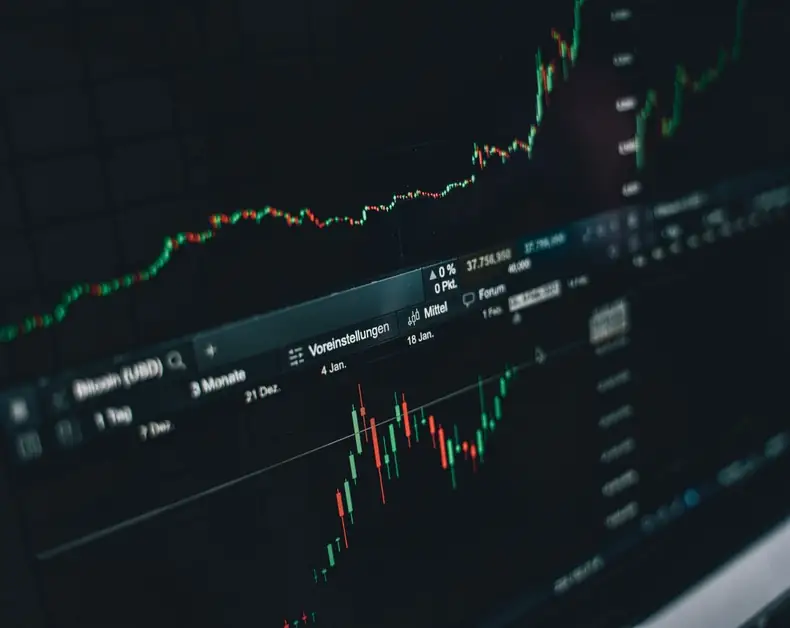
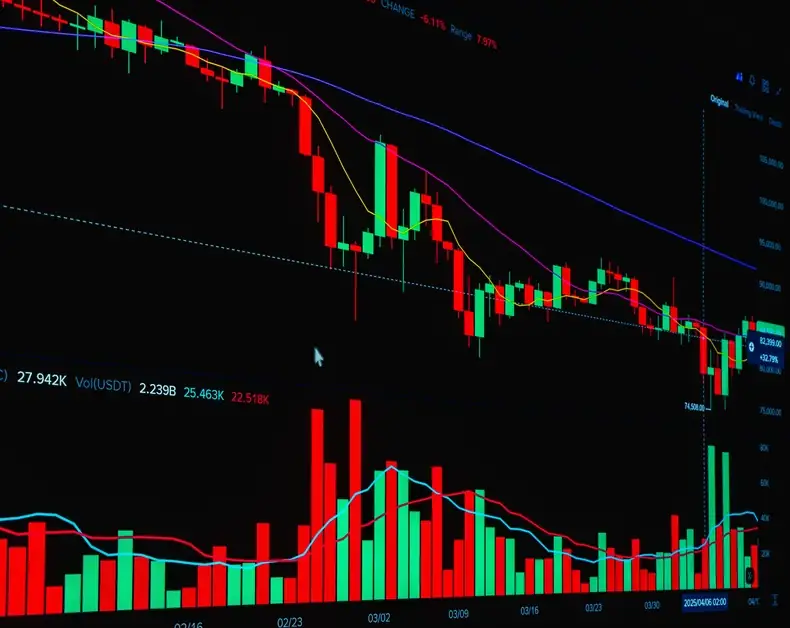
Stock Market News are attracting significant attention in today’s market. Stock market news is abuzz with the latest developments following the U.S. Treasury’s unexpected decision to expand its bond-buyback operations. Longer-term yields have started climbing again, causing concern among people monitoring the potential impact on stock markets. As JPMorgan strategists weigh in, there’s growing scrutiny over the necessity and effectiveness of the Treasury’s move, sparking a debate about the future direction of financial markets. With these unfolding events, many are keeping a close eye on how these changes might influence economic conditions and fiscal policies. Meanwhile, small cap stocks remains a key focus for market participants.
Stock Market News: U.S. Treasury’s Bond Buyback Plans and Their Implications
In a significant development, the U.S. Treasury is set to at least double its bond-buyback operation. This move has sparked discussions among financial experts, including JPMorgan strategists Jay Barry and Jason Hunter. They highlight that the U.S. is maintaining a 6% budget deficit even as the economy approaches full employment. The strategists caution that without “real fiscal consolidation,” the Treasury’s actions may lack credibility, drawing a parallel to the U.K.’s debt-management strategy during its minibudget crisis in 2022.
Market Reactions and Strategic Perspectives
Barry and Hunter suggest holding on to 2-year/10-year “steepeners,” a strategy based on the expectation that long-term Treasury prices might underperform due to increased supply and inflation worries. There’s some surprise at the timing of the Treasury’s announcement, as a buyback operation calendar was released only two weeks ago.
Current Stock Market News and Economic Indicators
Major U.S. stock indices like SPX, DJIA, and COMP are experiencing a downturn as longer-term Treasury yields rise. Meanwhile, the dollar index DXY is on a decline. In market news, Walmart’s stock (WMT) is down due to dropping drug prices, and Deere (DE) is set to report its earnings before the market opens. On the cryptocurrency front, Bitcoin (BTCUSD) has surged past $70,000, benefiting companies such as Strategy MSTR, Coinbase (COIN), and Robinhood (HOOD).
Oil prices, represented by CL.1 and BRN00, have risen by 2% following President Donald Trump’s statement about a “crushing economic campaign” against Iran. Additionally, Wolfspeed’s stock (WOLF) has taken a 12% hit after releasing its earnings report. Weekly jobless claims have fallen to 206,000 from a revised 212,000, while the Philadelphia Fed Manufacturing index for August has risen to 47.4, surpassing expectations.
Insights from the AI Boom and Market Trends
Azeem Azhar and Nathan Warren provide analysis on the ongoing AI boom, suggesting that the sector hasn’t yet become a bubble. Their research highlights that while major players are still leveraging cash reserves, they are increasingly seeking global capital. Current market trends show Taiwan Semiconductor Manufacturing as one of the most searched ticker symbols on MarketWatch.
Social Security and Personal Finance Concerns
In other market news, a Social Security union has expressed the need for $3 billion and an additional 20,000 workers to address long wait times and “ghost offices” (source). Additionally, a personal story has surfaced where an individual has been cut off from their son and daughter-in-law following a political disagreement, prompting a reevaluation of their $3 million will (source).
Upcoming Economic Data Releases
Leading economic indicators are scheduled for release at 10 a.m., which could provide further insights into the current economic climate. As always, it’s essential to stay informed about these developments to better understand the broader financial landscape. The small cap stocks market is responding.
In recent market news, JPMorgan strategists have highlighted potential repercussions in the bond market due to recent actions by the Treasury. People keeping an eye on their stock watchlist may find it useful to consider how these developments could affect small cap stocks in the current market climate. The market’s reaction to the Treasury’s moves has been notable, with particular attention on bond yields and their long-term implications.
While the risks associated with long-term bonds remain a topic of discussion, the real question is how these factors will influence market dynamics. As earnings reports continue to roll in, understanding these complex interactions will be crucial for gaining a clearer picture of the financial landscape. Stay informed and keep a close watch as events unfold in this ever-evolving market.
Why did the U.S. Treasury decide to double its bond-buyback operation?
The U.S. Treasury’s decision to at least double its bond-buyback operation aims to manage long-term bond yields, which are critical in determining borrowing costs. JPMorgan strategists, however, question the necessity of this move, suggesting it might not address the underlying issue of the U.S.’s 6% budget deficit in an economy nearing full employment. For more details, see here.
What concerns do JPMorgan strategists Jay Barry and Jason Hunter have about the Treasury’s move?
Barry and Hunter express concern that the Treasury’s actions might lack credibility without “real fiscal consolidation,” potentially leading to higher term premiums and yields over time. They caution that the move addresses symptoms rather than the root cause of fiscal issues, drawing parallels to the U.K.’s strategy during its minibudget crisis. For more insights, visit this link.
How have the markets reacted to the Treasury’s announcement?
Following the Treasury’s announcement, major U.S. stock indices have experienced a downturn as longer-term Treasury yields rise. This has raised concerns that higher bond yields could lure market participants away from riskier equities and increase the cost of capital for companies. More information is available here.
What potential risks do Barry and Hunter foresee if the Treasury reduces long-end auction sizes?
Barry and Hunter warn that reducing long-end auction sizes might not yield sustained benefits, similar to the U.K.’s experience, where successive announcements had diminishing impacts. They note that such aggressive moves could initially impact yields but may not be lasting, as seen with the long-term gilts in the U.K. hovering near multidecade highs. Further reading can be found here.
What are the broader implications of rising bond yields on the economy?
Rising bond yields can increase borrowing costs for businesses, households, and the federal government, potentially slowing economic growth. This development has heightened concerns about inflation, government spending, and the significant volume of corporate debt issued by tech companies for AI investments. To explore these implications further, click here.
In other news: Stock Market News: Uber’s Q2 Earnings Preview