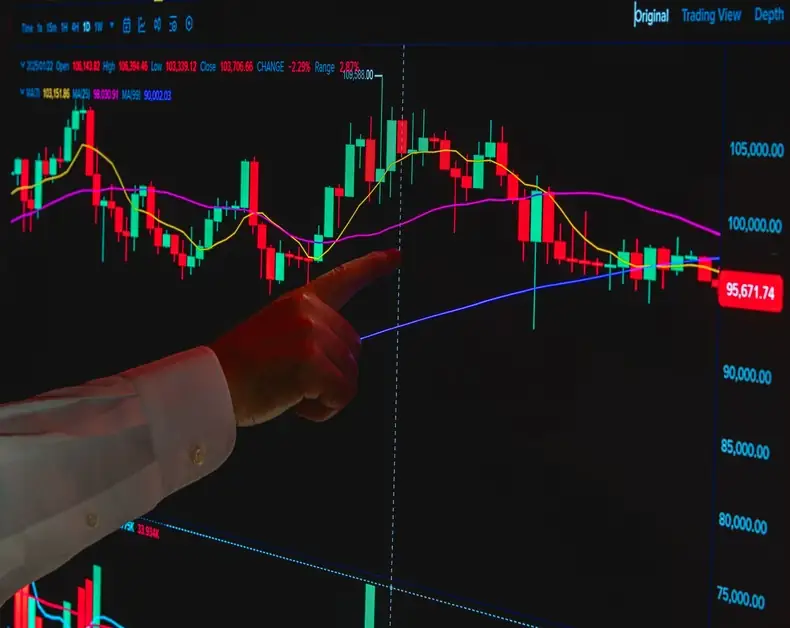
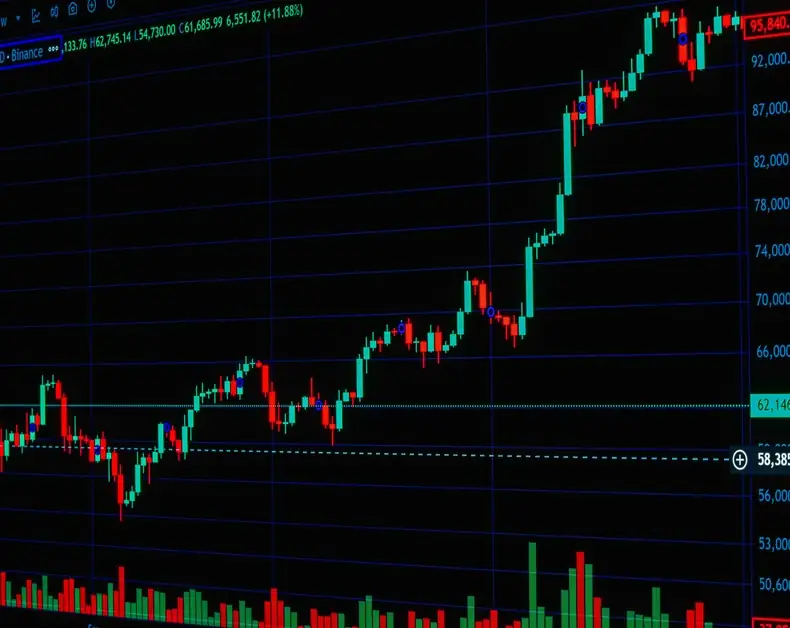
Tech Stocks are attracting significant attention in today’s market. Tech stocks have captured the spotlight once again as Nvidia’s shares surged following the announcement of Jensen Huang’s return as CEO. This development has reverberated across the technology sector, sparking interest among those keeping an eye on market movements. Nvidia, being a significant player in major stock indexes, has the potential to influence broader market trends. As the situation unfolds, many are keen to understand the implications for the tech landscape. Meanwhile, small cap stocks remains a key focus for market participants.
Nvidia’s Leadership Change and Its Impact on tech stocks
Nvidia’s shares recently saw a notable rise after Jensen Huang announced he would be returning as the company’s chief executive officer. This was a significant shift that came after President Donald Trump urged Nvidia’s board to rethink their decision regarding Huang. Influential figures like Bill Ackman also expressed doubts about how the board handled Huang’s exit. The news of Huang’s return not only boosted Nvidia’s shares but also raised spirits across the technology sector.
Nvidia plays a crucial role in major indexes like the S&P 500 and Nasdaq-100. As one of the largest components, any significant price movement in Nvidia can impact the broader market. Because these indexes are weighted by market capitalisation, big companies like Nvidia hold more influence than smaller ones. A rally in Nvidia and other major tech stocks can elevate the indexes, even when other stocks aren’t performing as well.
Financial Performance and Market Movements
In its first report without Huang, Nvidia reported a staggering $115 billion in revenue. Despite this, the tech giant’s shares experienced a rollercoaster ride. The stock hit $243.37 in early October, only to drop to $123.89 in November, marking a 49.09% decline. However, it later rallied to about $166, recovering 34% from its recent low, though still 32% below its October high.
The broader market has also experienced fluctuations. The December E-mini S&P 500 futures contract dropped from an October high of 7,897.50 to a low near 6,898.00, a 12.66% correction. Despite a rebound, prices remained below key moving averages, indicating ongoing volatility in financial markets.
Tech stocks and the Strength of the U.S. Dollar
The U.S. Dollar Index is currently trading near 104.50 and remains above its 20-day and 50-day moving averages. A strong dollar can affect tech stocks and other markets beyond currency exchanges. For international buyers, a stronger dollar means higher costs for U.S. stocks, potentially discouraging purchases. Multinational corporations might face challenges when converting overseas earnings into dollars.
The yield on the 13-week Treasury bill has increased from around 3.50% in January to 4.14% now. This rise in short-term yields could make interest-bearing securities more attractive compared to riskier assets like tech stocks. Higher borrowing costs might also impact corporate financing decisions, particularly in sectors requiring significant capital, such as AI.
Anticipated Federal Reserve Actions
According to the CME FedWatch Tool, there is a 65.3% probability that the federal funds target range will be between 4.25% and 4.50% for the meeting on January 27, 2027. There is also a 32.1% chance for a range of 4.00%–4.25%. The futures markets are expecting more rate increases from the Federal Reserve, with 25-basis-point hikes anticipated in December and January.
These expectations highlight the possibility of more restrictive monetary conditions, which could affect equity valuations, financing costs, and the sustainability of any market recovery, including in tech stocks.
Conclusion
While Nvidia’s leadership announcement has certainly brought renewed optimism, it’s crucial to remember the substantial losses that preceded the recent recovery. The broader market remains in a state of correction, with the U.S. dollar strengthening and short-term Treasury yields rising. Financial markets are also bracing for potential Federal Reserve rate hikes.
None of these developments ensure another market downturn, nor do they imply that readers should act hastily with their holdings. However, due diligence remains vital, especially when a significant rally might suggest the worst is over. Market sentiment can shift quickly, but economic conditions typically take longer to change, and understanding this could help readers better navigate future market dynamics. people watching small cap stocks are taking note.
For more detailed financial market insights, you can explore resources like the Barchart news. The small cap stocks market is responding.
In the bustling world of financial markets, Nvidia’s leadership transition has certainly caught the attention of those keeping a close eye on market news. With Jensen Huang’s return as CEO, the company is back in the spotlight, highlighting how leadership changes can be pivotal for technology stocks. For those with Nvidia on their stock watchlist, this development might add an extra layer of intrigue.
However, it’s important to remember that while large companies like Nvidia often grab headlines, small cap stocks also play a significant role in the broader market landscape. Their unique characteristics and potential for growth offer diverse opportunities, though they come with their own set of risks.
As people digest the latest earnings reports and navigate today’s market environment, it’s crucial to consider various factors and potential challenges. Understanding these dynamics can help you stay informed amid the ever-changing financial markets.
Why did Nvidia shares surge recently?
Nvidia shares surged following the announcement of Jensen Huang’s return as CEO. This decision came after President Donald Trump and prominent market participants like Bill Ackman publicly questioned the board’s handling of Huang’s departure, sparking a rally in Nvidia shares and boosting sentiment across the tech sector. More details can be found in this article.
How does Nvidia’s stock movement impact the broader market?
As one of the largest components of the S&P 500 and Nasdaq-100 indexes, Nvidia’s stock movements significantly impact the broader market. Because these indexes are weighted by market capitalisation, substantial price changes in Nvidia can influence the performance of the entire index, affecting market news and stock watchlists. Further information is available here.
What was Nvidia’s financial performance without Jensen Huang?
In its first earnings report without Jensen Huang, Nvidia posted $115 billion in revenue. Despite this impressive figure, the company’s shares experienced significant volatility, underscoring the importance of leadership in financial markets. For more on this, visit this link.
How did Nvidia’s stock perform during the recent market correction?
Nvidia’s stock experienced a dramatic drop from $243.37 in early October to $123.89 in November, a 49.09% decline. It then rallied to about $166, a recovery of 34% from the recent low, though it remained 32% below its October high, highlighting ongoing volatility in financial markets. More insights can be found in this article.
What role did broader economic conditions play in Nvidia’s market performance?
Broader economic conditions often take longer to change than market sentiment, which can shift overnight. While Nvidia’s leadership uncertainty has diminished, other economic and market conditions still warrant careful examination before concluding that the recent correction is over. For further reading, check here.
In other news: Stock Picks: Northern Trust’s Market Performance