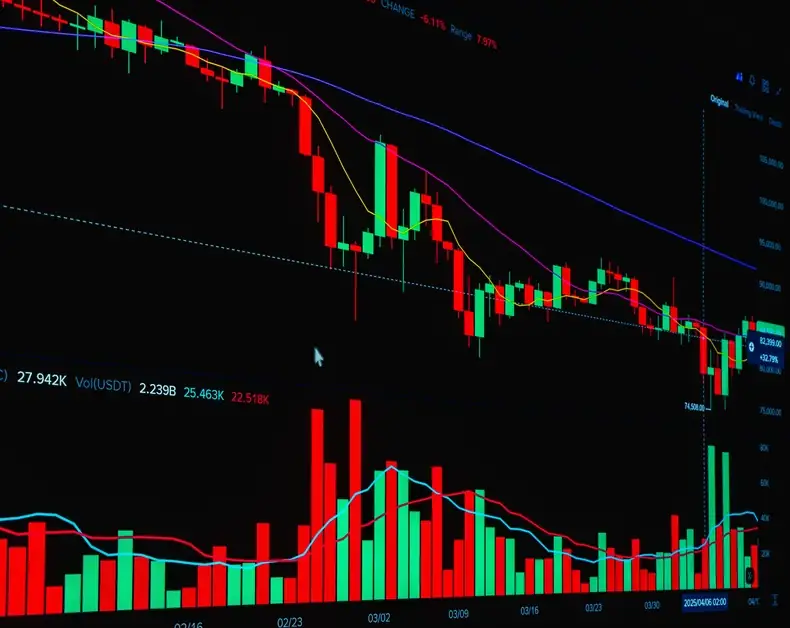
Stock Market News are attracting significant attention in today’s market. Stock market news has been buzzing with updates following the US-Iran ceasefire, easing tensions and impacting global financial markets. This significant development has triggered a notable surge in global bonds, particularly with European debt seeing substantial gains. As the geopolitical landscape takes a breather, people are keenly observing the shifts in market dynamics and the potential implications for energy costs and inflation. The coming weeks will be crucial in determining the longevity of this truce and its effects on economic stability. Meanwhile, small cap stocks remains a key focus for market participants.
Global Bonds Surge in Response to US-Iran Ceasefire
On Wednesday, global bonds experienced a notable increase following a ceasefire agreement between the United States and Iran. This conflict had previously triggered one of the most severe oil shocks in recent years. European bonds were particularly impacted, with yields dropping by over 25 basis points as speculation about interest rate hikes was scaled back. Tehran’s decision to reopen the strategic Strait of Hormuz for a two-week truce played a pivotal role in this development, causing a significant drop in oil prices.
stock market news: US Treasuries and Federal Reserve Rate Prospects
In the United States, Treasuries also saw an uptick, as swaps indicated a nearly 50% likelihood of a Federal Reserve rate cut within the year. The 10-year benchmark yield decreased by five basis points, settling at 4.25%. Myles Bradshaw of JPMorgan Asset Management shared insights on Bloomberg TV, highlighting the cautious stance central banks might adopt given the current economic uncertainties, especially since Russia’s invasion of Ukraine in 2022 [source].
European Market Dynamics and Interest Rate Expectations
European markets had been anticipating stable or declining rates before the conflict raised inflation concerns globally. Following US strikes on Iran on 28th February, European yields soared to unprecedented levels, and market volatility surged. In March, US Treasuries recorded their most significant monthly loss since October 2024.
Shifts in Inflation Expectations and Market Reactions
Wednesday witnessed a sharp decline in inflation expectations, which bolstered bond demand. A measure for euro area price growth over the coming decade fell to 2.1%, almost erasing the increase observed since the war’s onset. The probability of the European Central Bank (ECB) implementing a rate hike this month dropped to 30%, a significant decrease from 70% on Tuesday. Christoph Rieger from Commerzbank AG remarked on the ceasefire’s impact, suggesting a prolonged truce might reduce the likelihood of an ECB rate hike in April [source].
stock market news: Oil Prices and Central Bank Strategies
Oil prices plummeted, marking the steepest decline in nearly six years, following the truce announcement by former US President Trump, made just 90 minutes before a set deadline. Despite the easing of energy costs, Matthew Amis from Aberdeen cautioned that markets remain sensitive to risks, and the situation is still fluid.
Analysis and Commentary from Financial Experts
Simon White, a macro strategist based in London, provided analysis, observing that markets are attempting to unwind trades related to the conflict. The Gulf region still reported attacks, and while Israel halted its military actions, it stayed on high alert. Win Thin from Bank of Nassau 1982 noted that markets seem eager to move past the conflict, yet uncertainty remains.
As of Wednesday, swaps indicated a reduction in expected rate hikes from the ECB and Bank of England this year, now anticipating two quarter-point increases from the ECB and one from the BOE. German 10-year bond yields dropped 15 basis points to 2.94%, while the UK’s equivalent rate fell by about 20 basis points to 4.70%. Guy Miller from Zurich commented on central banks’ cautious stance, noting the ongoing influence of oil prices on inflation. people watching small cap stocks are taking note.
For further details, visit Bloomberg’s website [source]. The small cap stocks market is responding.
In summary, the recent ceasefire between the US and Iran has brought a wave of optimism to financial markets, leading to a surge in global bonds. This development acts as a reminder of how geopolitical events can significantly influence market movements. With bonds being sensitive to key market influences such as inflation expectations and interest rates, this ceasefire offers a reprieve from recent tensions.
The world of small cap stocks, often featured on stock watchlists, continues to play a pivotal role in the broader market. These stocks have shown varying reactions to recent market changes, reflecting their unique position within the financial landscape. Understanding how small cap stocks respond to such developments is crucial for anyone keeping an eye on market news and earnings reports.
As market dynamics continue to evolve, staying informed on these topics remains essential. The interplay between geopolitical events, bond yields, and stock performances will undoubtedly shape future market narratives.
Stay Ahead — Get free small-cap alerts delivered to your inbox
Join readers who receive daily alerts from our newsletter.
Why did global bonds experience a surge on Wednesday?
Global bonds surged on Wednesday due to a ceasefire agreement between the US and Iran, which paused a conflict impacting markets, particularly through an oil shock. This development led to a significant drop in oil prices and reduced speculation about impending interest rate hikes, contributing to the bond market rally. More details can be found on Bloomberg.
How did the ceasefire affect US Treasuries and Federal Reserve rate prospects?
The ceasefire led to an increase in US Treasuries, with swaps indicating a nearly 50% likelihood of a Federal Reserve rate cut this year, up from near zero at the week’s start. The 10-year benchmark yield fell to 4.25%, marking its lowest point since mid-March. Additional information is available at Bloomberg.
What impact did the ceasefire have on European bond yields and market dynamics?
European bond yields dropped by over 25 basis points as traders adjusted their expectations for interest rate hikes following the US-Iran ceasefire. The reopening of the Strait of Hormuz contributed to this shift by alleviating pressure on energy prices, which had been a significant concern for European markets. For more details, see Bloomberg.
How did the ceasefire influence inflation expectations?
The announcement of the ceasefire led to a sharp decline in inflation expectations, prompting an increase in bond demand. A proxy for euro area price growth over the next decade fell to 2.1%, nearly reversing the spike observed at the conflict’s outset. More insights can be found at Bloomberg.
What are the implications of the ceasefire for future European Central Bank actions?
The ceasefire has reduced the likelihood of an ECB rate hike in the near term, with swaps now indicating a 30% chance of a quarter-point hike later this month, down from 70% on Tuesday. A longer ceasefire extension could further diminish the probability of rate hikes. For further information, visit Bloomberg.
In other news: Church & Dwight Reports Q4 Earnings Above Street View; Hikes Dividend – Church & Dwight Co (NYSE:CHD)